Introduction to Pardes Hanna-Karkur
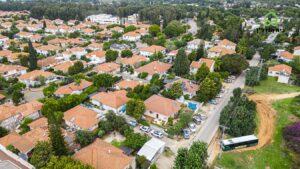
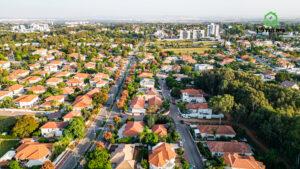
Pardes Hanna-Karkur is a charming settlement located in the heart of the northern Sharon region, blending rich history with modern development. Situated between Hadera and Zikhron Ya’akov, it is one of the most sought-after places to live due to its high quality of life, green surroundings, and supportive community. The area is known for its agricultural heritage, pastoral landscapes, and a mix of historic and modern neighborhoods.
Originally, Pardes Hanna and Karkur were two separate settlements, but they were united in 1969 to form a single, cohesive community. Each settlement retained its unique character, enriching the local culture and creating a fascinating mosaic of history and modernity. Pardes Hanna-Karkur is characterized by a rural and peaceful atmosphere, combined with excellent accessibility to major cities and employment centers, making it an ideal residential area for families, young couples, and investors.
The Importance of Local History
The local history of Pardes Hanna-Karkur is a cornerstone for understanding the development and uniqueness of the settlement. This history reflects the changes and progress the settlement has undergone and serves as a source of pride for its residents. Learning the local history helps us understand the agricultural and cultural roots of the settlement and appreciate the heritage left by the first settlers.
Additionally, the local history provides insights into the urban, economic, and social development of the settlement. Understanding the processes of change and growth that Pardes Hanna-Karkur has experienced allows residents and local leaders to plan the future with awareness of the local values and history.
Historical knowledge is also important for local tourism. Visitors to Pardes Hanna-Karkur are interested in the stories of the past, the historic buildings, and the unique sites that tell the story of the settlement. Preserving historical sites and documenting local history allows both residents and visitors to enjoy rich and diverse cultural experiences.
The local history of Pardes Hanna-Karkur also contributes to strengthening the community identity and sense of belonging among residents. The historical events, customs, and stories that have accompanied the settlement over the years form an integral part of the collective identity of the community and influence the atmosphere and social life in the settlement.
The local history of Pardes Hanna-Karkur is a crucial element in understanding the settlement, its development, and its preservation. It contributes to residents’ pride, education, and tourism, serving as an important foundation for future planning. Pardes Hanna-Karkur is a settlement that successfully combines a rich past with a dynamic present, all while preserving unique values and heritage.
The Establishment of Pardes Hanna
Historical Background
Pardes Hanna was established in 1929 by the Jewish National Fund (JNF) as part of a broader effort to settle the northern Sharon region and turn it into a thriving agricultural area. The settlement was named after Hannah Rothschild, wife of Baron Rothschild, who was not only a great philanthropist but also a faithful partner in the vision of settling the Land of Israel.
During its establishment, Pardes Hanna was part of a wide-ranging plan by Baron Rothschild, known as “The Known Benefactor,” to support the establishment of Jewish agricultural settlements in Israel. Baron Rothschild saw great importance in developing agriculture and creating jobs for Jewish residents who immigrated to Israel. He contributed significantly to the establishment of other settlements, such as Zikhron Ya’akov and Binyamina, and was a key partner in the establishment of Pardes Hanna.
The Contributors to the Settlement: Baron Rothschild
Baron Rothschild, a passionate supporter of Jewish settlement in Israel, played a significant role in the establishment of Pardes Hanna. He invested considerable economic and human resources in developing agricultural infrastructure, building homes, and providing financial support to the new settlers. Rothschild envisioned the development of the land through modern agriculture and the establishment of independent settlements.
Baron Rothschild not only provided financial support for the establishment of the settlement but also ensured that agricultural experts and advisors were sent to assist the settlers in establishing modern farms. He understood the need for guidance and technical support to ensure the success of the new settlement. His support was crucial to the success of Pardes Hanna and its transformation into a thriving agricultural community.
The Early Years
The early years of Pardes Hanna were not easy. The settlers faced harsh climatic conditions, uncultivated lands, and a lack of resources. However, with the support of Baron Rothschild and the settlers’ dedication, the settlement began to flourish. The first settlers primarily engaged in growing orchards, vineyards, and vegetables. They established advanced irrigation systems and improved agricultural techniques to increase yields.
During these early years, educational institutions, synagogues, and public buildings were established, serving the growing community. The establishment of these structures contributed to community cohesion and the creation of a sense of belonging among the settlers. In these years, vital infrastructure such as roads, water systems, and electricity were also built, enabling the settlement’s development and making it a comfortable and advanced place to live.
Baron Rothschild continued to support Pardes Hanna even in the years following its establishment. He ensured additional financial support and funding for agricultural and infrastructure projects. His ongoing support was a decisive factor in the settlement’s success and its transformation into a thriving and prosperous place.
The establishment of Pardes Hanna was part of a broader plan by Baron Rothschild to settle the northern Sharon region and turn it into a thriving agricultural area. The support of Rothschild and the dedication of the first settlers were central factors in the settlement’s success and development over the years. Pardes Hanna became an important and thriving settlement thanks to the vision and investment of Baron Rothschild and the dedicated settlers.
The Establishment of Karkur
The Establishment of Karkur as a Separate Settlement
Karkur was established in 1913 by a group of Zionist Jews who saw great importance in establishing new agricultural settlements in Israel. The settlement was established as part of the effort to expand Jewish settlement in the land and ensure Jewish ownership of the land. Karkur was established as a separate settlement, but not far from Pardes Hanna, and the two developed in parallel, each with its own unique character.
Historical Background and Circumstances of Establishment
Karkur was established with the support of the Jewish National Fund (JNF), which purchased the land and made it available to the settlers. The first settlers came from various countries, mainly Eastern Europe, and brought with them a strong Zionist agricultural vision. Karkur was established as a cooperative agricultural settlement, where all families worked together in the fields and agricultural farms.
Initially, Karkur was intended to be a small and isolated agricultural settlement, but its strategic location in the northern Sharon region and proximity to the central coastal road quickly made it a central point in the area. The settlers faced many challenges, including harsh climatic conditions, uncultivated lands, and a lack of resources, but with the support of the JNF and their great dedication, they succeeded in establishing the settlement and beginning its development.
Agricultural and Industrial Development
From the outset, Karkur was mainly based on agriculture. The settlers grew vines, citrus, olives, and various vegetables. They established modern agricultural farms and improved agricultural techniques using advanced irrigation and innovative cultivation methods. Agriculture became the main source of livelihood for the residents, and the settlement became an important agricultural center in the region.
In addition to agriculture, the settlers in Karkur began to develop local industry. Small factories were established for processing agricultural produce, including olive oil presses, canning factories, and wineries. This industry provided employment for the settlement’s residents and contributed to the local economy. Industrial development was part of the vision to create an independent settlement capable of meeting its needs and developing sustainably.
In the 1920s and 1930s, Karkur also developed in the field of education and culture. Schools, kindergartens, and other educational institutions were established to serve the settlement’s children. Additionally, youth clubs, libraries, and cultural centers were established, enriching the community’s social life and contributing to social cohesion.
Over the years, Karkur grew and developed. The settlement transformed from a small and isolated moshav to a central and prosperous settlement in the northern Sharon region. Agricultural and cultural development, along with the support of the Jewish National Fund and the settlers’ vision, made Karkur a strong and established settlement.
The establishment of Karkur was part of the Zionist effort to expand Jewish settlement in Israel and establish local agriculture and industry. The settlement was established with the support of the Jewish National Fund and became an important agricultural and industrial center. The vision and dedication of the first settlers were central factors in the settlement’s success and development over the years. Karkur continued to grow and develop, becoming an integral part of the settlement fabric of the northern Sharon region.
Agricultural and Industrial Development
Vine Growing and Wine Production
One of the first and central agricultural sectors to develop in Pardes Hanna-Karkur was vine growing and wine production. The first settlers, who mostly came from Eastern Europe, brought with them knowledge and experience in vine growing and wine production. The fertile soil in the area and the excellent climatic conditions provided a favorable environment for the development of this industry.
The first wineries established in the area, such as Karkur Winery and Pardes Hanna Winery, quickly became local symbols of quality and excellence. The wine produced in Pardes Hanna-Karkur received recognition and appreciation in Israel and abroad, and the local wineries became an integral part of the local culture. The wineries not only provided employment for the residents but also attracted tourists and visitors who came to enjoy the local wine and the beautiful vineyard landscapes.
Development of Modern Agriculture
In parallel with vine growing, the settlers in Pardes Hanna-Karkur invested in the development of modern and diverse agriculture. They adopted new technologies and advanced working methods brought from various countries. Among other things, advanced irrigation systems were established, including drip irrigation and sprinklers, which allowed efficient use of water and increased yields.
Modern agriculture also included additional crops such as citrus, olives, vegetables, and spices. The settlers established extensive orchards and diverse growing areas that provided quality agricultural produce to local markets and for export. Agriculture in Pardes Hanna-Karkur became a source of pride and a central economic engine, providing livelihood for the residents and strengthening the community.
Establishment of Factories and Industrial Centers
In addition to agriculture, the settlers in Pardes Hanna-Karkur understood the importance of developing local industry to complement the agricultural sector and provide additional jobs. In the early years of the settlement, factories and industrial centers were established that processed agricultural produce and produced various products.
Among the first factories established were olive oil presses, canning factories, and packing plants for agricultural produce. These factories contributed to the local economy, provided employment for the residents, and allowed optimal utilization of agricultural produce. Over time, additional industries such as the food, textile, and electronics industries developed.
The establishment of industrial centers contributed to the settlement’s growth and the development of additional infrastructures such as roads, water, and electricity systems. Industry in Pardes Hanna-Karkur became an important attraction for families and investors, and the settlement became a significant employment and economic center in the northern Sharon region.
Agricultural and industrial development in Pardes Hanna-Karkur was a decisive factor in transforming the settlement into an important agricultural and industrial center. Vine growing and wine production, modern agricultural development, and the establishment of factories and industrial centers contributed to economic growth, community strengthening, and making Pardes Hanna-Karkur a desirable place to live and work. The agricultural and industrial heritage of the settlement continues to influence it today and is an integral part of its unique identity.
Community and Cultural Life in Pardes Hanna-Karkur
Educational and Cultural Institutions
One of the key aspects that have made Pardes Hanna-Karkur a desirable settlement is its advanced educational and cultural institutions. Over the years, the settlement has established a variety of high-quality educational institutions, ranging from kindergartens and elementary schools to high schools and post-secondary schools. These institutions are known for their high standards and advanced educational programs.
Among the prominent educational institutions are the Democratic School and the Anthroposophical School, which offer unique and advanced educational approaches. In addition, there are state and state-religious schools that provide quality education to all the settlement’s residents.
Aside from educational institutions, Pardes Hanna-Karkur also boasts numerous cultural institutions. There are cultural centers, theaters, art galleries, and public libraries that offer a wide range of activities and events for all ages. These institutions serve as centers of community and cultural activity, enriching the residents’ lives with diverse educational and cultural content.
Community and Cultural Activities
Community life in Pardes Hanna-Karkur is characterized by rich and vibrant community activity. The settlement hosts a wide range of community events and activities throughout the year, including festivals, fairs, performances, exhibitions, and workshops. These events contribute to community cohesion and provide residents with opportunities for social gatherings and creative expression.
One of the prominent community activities is “Orchard of Artists,” an artistic complex where creative workshops, exhibitions, and cultural events are held. The place serves as an attraction for artists, creators, and residents who want to participate in artistic and cultural activities.
In addition, there are various sports activities, including sports clubs for children and adults, running groups, yoga, and Pilates. The sports activities strengthen the sense of community and encourage a healthy and active lifestyle among the residents.
The Role of the Local Council in the Development of the Settlement
The local council of Pardes Hanna-Karkur plays a central role in the development of the settlement and the improvement of the residents’ quality of life. The council invests significantly in infrastructure development, the construction of educational and cultural institutions, and the promotion of community activities. Here are some of the key roles of the local council:
- Development of Infrastructure and Services: The local council is responsible for developing and upgrading the settlement’s infrastructure, including roads, water, and sewage systems, and communication infrastructure. Additionally, the council invests in developing industrial and commercial areas, providing jobs for residents.
- Promotion of Education and Culture: The council establishes and maintains educational and cultural institutions, ensuring the necessary budgets and resources for their operation. Furthermore, the council organizes and funds cultural events, festivals, and community activities that enrich the residents’ lives.
- Support for Community Activity: The local council encourages and supports community initiatives and social activities. It provides resources and logistics for organizing community events and promotes cooperation between residents and public and private entities.
- Environmental Protection: The council works to protect the green environment of the settlement and promotes sustainability and environmental quality projects. It invests in developing parks and public gardens and preserving open and green spaces.
- Providing Services to Residents: The local council provides a wide range of services to residents, including welfare, health, education, and culture services. The council strives to improve public services and ensure that the needs of all residents are met.
Community and cultural life in Pardes Hanna-Karkur is an integral part of the settlement’s special character. The high-quality educational and cultural institutions, vibrant community activities, and the local council’s roles in supporting and developing the settlement all contribute to a high quality of life and a strong and cohesive community. Pardes Hanna-Karkur continues to develop and thrive while maintaining the values of community, culture, and education, making it an ideal place to live for families, young couples, and investors.
The Union of Pardes Hanna and Karkur
Background and Circumstances of the Union
The union between Pardes Hanna and Karkur occurred in 1969, out of a desire to strengthen the two colonies and ensure the continued development and growth of the region. Before the union, each of the colonies operated separately, with its own self-management systems and separate infrastructures. Over time, the need arose to unite the colonies to improve administrative efficiency, save resources, and create a strong and unified settlement.
The union was made against the backdrop of a general trend in Israel to unite small settlements into larger municipal bodies, to improve local management and development. Pardes Hanna and Karkur, which were geographically close and shared economic and social ties, were natural candidates for union.
The Impact of the Union on Development and Growth
The union between Pardes Hanna and Karkur brought many advantages that contributed to the development and growth of the unified settlement. One of the main advantages was improved administrative efficiency. The union allowed for central and unified management of infrastructures and public services, leading to resource savings and improved services for residents.
Additionally, the union enabled extensive infrastructure development. The shared budgets allowed for the upgrading of water, electricity, and sewage systems, road development, and the construction of new public facilities. The unified settlement became more attractive to investors and developers, leading to the establishment of new projects in real estate, commerce, and industry.
The union also strengthened the local community. The residents enjoyed a wider range of services and activities and a higher quality of life. The unified settlement became an active social and cultural center, with a wide variety of events, activities, and improved community infrastructure.
Challenges and Successes in the Union
Like any significant change process, the union between Pardes Hanna and Karkur brought various challenges. One of the main challenges was the need to integrate two different management and infrastructure systems. The adaptation and integration process required time, resources, and careful management to ensure success.
Another challenge was integrating the different communities. Each colony had its own history, culture, and traditions. It was necessary to create a sense of belonging and unity among the residents while preserving the identity and uniqueness of each community.
However, despite the challenges, the union is considered a great success. The unified settlement managed to balance preserving local heritage with modern development. The integration and adaptation processes were well managed, and the settlement became an attractive, advanced, and thriving place to live.
The union also enabled accelerated economic development. The unified settlement attracted businesses and entrepreneurs, leading to the establishment of new commercial and industrial areas. The improved infrastructure and high transportation accessibility contributed to increased economic activity and the creation of new jobs.
The union between Pardes Hanna and Karkur was a strategic move that significantly improved the residents’ quality of life and the settlement’s development. The union contributed to administrative efficiency, infrastructure improvement, and accelerated economic and social development. Despite the challenges faced by the process, the union is considered a great success and has made Pardes Hanna-Karkur a strong, advanced, and desirable settlement for living and investment.
Urban Development and Construction in Pardes Hanna-Karkur
Expansion of the Settlement and Construction of New Neighborhoods
In recent decades, Pardes Hanna-Karkur has experienced significant expansion and the establishment of many new neighborhoods. This trend resulted from the growing demand for housing in the settlement, which is considered one of the most attractive areas in Israel due to its combination of rural and urban living, green surroundings, and high quality of life. New neighborhoods such as “Neve Oved,” “Rasco,” and “Halomot Karkur” were established to provide modern housing solutions for families and young couples.
The construction in the new neighborhoods includes apartments in high-rise buildings, detached houses, and senior housing projects. All these offer residents a wide range of housing options, according to different needs and budgets. The planning of the new neighborhoods emphasizes creating a comfortable and green living environment, with parks, public gardens, children’s playgrounds, and community facilities.
Upgrading Infrastructure and Services
The development of the settlement was also accompanied by a significant upgrade of local infrastructure and services. One of the central projects was improving water and sewage systems, which improved the quality of life and supported population growth. The electricity grid was also upgraded to meet the growing demands of residents and local businesses.
Additionally, roads, roundabouts, and public transportation were established and upgraded, including bus stations and bike paths, making it easier to get around within the settlement and to nearby cities. The Pardes Hanna-Karkur train station project was one of the central projects that impacted the settlement’s transportation accessibility and made it more accessible to employment centers and urban activities.
Urban Renewal and Its Impact on the Settlement
Urban renewal is an essential part of the urban development of Pardes Hanna-Karkur. Urban renewal projects include renovating and upgrading existing buildings, renewing public infrastructure, and developing public spaces. The aim of the projects is to improve the quality of life for residents, increase urban density in a planned manner, and make optimal use of the land.
Urban renewal also includes evacuation-reconstruction and Tama 38 projects, which aim to upgrade old buildings and make them earthquake-resistant and improve infrastructure and facilities. These projects bring with them a renewal of the settlement’s appearance, an improvement in the quality of the buildings, and an increase in the value of the properties.
The impact of urban renewal on Pardes Hanna-Karkur is positive and significant. The projects not only improve the settlement’s aesthetic appearance but also contribute to improving the quality of life, increasing safety and security, and creating new jobs in construction and related services. In addition, urban renewal attracts young families and investors, leading to continued economic and demographic growth.
Urban development and construction in Pardes Hanna-Karkur include the expansion of the settlement with new neighborhoods, upgrading infrastructure and services, and comprehensive urban renewal. These processes contribute to improving residents’ quality of life, increasing property values, and creating a modern and advanced living environment. The combination of modern development and the preservation of a rural and community character makes Pardes Hanna-Karkur one of the most desirable and developing settlements in Israel.
Pardes Hanna-Karkur Today
A Glimpse into the Settlement Today
Pardes Hanna-Karkur, located in the heart of the northern Sharon region, is a thriving settlement that combines quiet rural life and high quality of life with excellent accessibility to employment centers and urban activities. The settlement is characterized by a warm and communal atmosphere, extensive green areas, and advanced services for its residents. With its rapid development and extensive construction of new neighborhoods, Pardes Hanna-Karkur continues to attract families, young couples, and investors looking for quality living close to the city.
Infrastructure, Education, Culture, and Leisure
Infrastructure
Pardes Hanna-Karkur enjoys modern and upgraded infrastructure, including an efficient transportation system with easy access to major roads and a train station that provides a quick connection to major cities like Tel Aviv and Haifa. The local infrastructure includes advanced water and sewage systems, a reliable electricity grid, and high-speed communication infrastructure.
Education
The education system in Pardes Hanna-Karkur is one of the most advanced in Israel, with a wide range of quality educational institutions for all ages. The settlement’s schools offer advanced curricula and innovative teaching methods. Among the prominent educational institutions are the Democratic School and the Anthroposophical School, which offer unique education tailored to each student’s needs. Additionally, the settlement offers a wide range of kindergartens and early childhood education frameworks, as well as enrichment activities and after-school programs.
Culture and Leisure
Pardes Hanna-Karkur is characterized by rich and diverse cultural and leisure life. The settlement offers a wide range of activities and cultural events throughout the year, including festivals, fairs, art exhibitions, performances, and shows. The local cultural centers include theaters, galleries, public libraries, and sports centers. One of the central cultural activity hubs in the settlement is “Artists’ Stables,” an artistic complex where creative workshops, exhibitions, and cultural events are held.
In addition, the settlement offers a wide range of sports facilities, including soccer, basketball, tennis courts, and fitness centers. The parks and green spaces in the settlement provide places for relaxation, walks, and outdoor activities for the whole family.
Demographic Growth and Quality of Life
Pardes Hanna-Karkur has experienced significant demographic growth in the last decade. The settlement attracts new residents thanks to its high quality of life, excellent education system, and supportive community. Demographic growth also brings challenges, but the local council is working diligently to upgrade the infrastructure and adapt services to the changing needs of the population.
The quality of life in Pardes Hanna-Karkur is among the highest in the country. Residents enjoy a quiet and green environment, advanced services, diverse cultural and leisure activities, and a strong sense of community. The settlement offers the perfect combination of quiet rural life with accessibility to all the necessary urban services.
Pardes Hanna-Karkur today is a desirable and attractive settlement that combines high quality of life with rapid development. Modern infrastructure, an advanced education system, rich cultural and leisure life, and positive demographic growth make the settlement one of the most desirable places to live in Israel. The settlement continues to develop and progress while preserving the communal and rural atmosphere that characterizes it, making it an ideal place for families, young couples, and investors seeking a unique combination of rural and urban life.
Looking to the Future: Pardes Hanna-Karkur
Future Development Plans
Pardes Hanna-Karkur presents ambitious development plans for the future, aimed at upgrading infrastructure, improving the quality of life, and attracting new residents to the settlement. These plans include:
- Development of New Neighborhoods: Expanding the settlement with the establishment of new residential neighborhoods, including apartments in high-rise buildings and detached houses. The new neighborhoods will be planned to include green areas, parks, kindergartens, schools, and shopping centers.
- Upgrading Transportation Infrastructure: Continuing to improve public transportation, including expanding bus lines and upgrading bus stations. Additionally, improving access to the train station and connecting the settlement to additional main roads will ease daily commutes and increase accessibility to employment centers.
- Development of Industrial and Commercial Areas: Expanding industrial and commercial areas to attract new businesses and create additional jobs. The projects include establishing logistics centers, industrial plants, and modern commercial complexes.
- Upgrading Educational and Cultural Facilities: Establishing additional educational institutions, including kindergartens, elementary schools, and high schools, and expanding existing educational institutions. In the cultural field, the establishment of new cultural centers, public libraries, and advanced sports and leisure facilities is planned.
- Sustainability and Environmental Quality: Plans to protect the environment and promote sustainable development, including renewable energy projects, water recycling, and air quality improvement. Additionally, preserving green and open spaces and rehabilitating natural areas.
The Vision of the Local Council
The vision of the local council of Pardes Hanna-Karkur is to transform the settlement into a community-oriented, innovative, and sustainable living center that combines a high quality of life with advanced development. The vision includes:
- A Cohesive and Supportive Community: Creating a strong community environment that promotes cooperation among residents and rich community activity. The council aims to strengthen the residents’ sense of belonging and security and continue to hold community, cultural, and sports events that enrich community life.
- Economic and Sustainable Development: The council aims to attract businesses and entrepreneurs to the settlement and develop advanced economic infrastructures. Additionally, the council is committed to preserving sustainability principles and ensuring responsible development that considers the environment and natural resources.
- High-Quality Education and Culture: The council is committed to continuing to develop the settlement’s education and culture system, ensuring quality education for all residents, and offering diverse cultural and leisure activities for all ages.
- Advanced and Accessible Infrastructure: The council works to improve local infrastructure, including transportation, water, sewage, and communication, and to ensure high accessibility to employment centers and services.
Challenges and Opportunities for the Future
Like any developing settlement, Pardes Hanna-Karkur faces challenges and opportunities in the near future:
Challenges:
- Managing Demographic Growth: Coping with population growth and ensuring adequate infrastructure and services for new residents.
- Environmental Conservation: Maintaining the balance between development and preserving the natural environment and green spaces.
- Transportation Infrastructure: Upgrading transportation infrastructure to cope with traffic growth and ensuring high accessibility.
- Community Integration: Creating a sense of belonging and unity among new and veteran residents.
Opportunities:
- Economic Development: Attracting new businesses and entrepreneurs, creating jobs, and developing the local economy.
- Technological Innovation: Implementing innovative technologies to improve the quality of life and manage smart infrastructures.
- Improving Quality of Life: Continuing to develop infrastructure, education, culture, and leisure, and improving the overall quality of life for residents.
- Attracting Quality Population: Continuing to attract young families and investors seeking high quality of life and economic opportunities.
Pardes Hanna-Karkur looks to the future with ambitious development plans and a clear vision to improve the quality of life and economic development. With investments in infrastructure, education, culture, and sustainability, the settlement faces challenges and seizes opportunities to become a desirable and advanced place to live. The local council is committed to continuing to work for the residents’ well-being while preserving community and environmental values and ensuring a bright future for Pardes Hanna-Karkur.
Connecting History with the Present
Pardes Hanna-Karkur, a settlement with a rich history and agricultural heritage, has developed over the years into a sought-after and advanced residential area. The settlement’s history, which began with the establishment of Pardes Hanna in 1929 and Karkur in 1913, shaped the rural and communal character of the settlement. The union between Pardes Hanna and Karkur in 1969 created a strong and established settlement that combines past and present, integrating modern urban development with the preservation of local heritage.
The rich community and cultural life, agricultural and industrial development, and the expansion of the settlement with new neighborhoods are all part of the settlement’s development over the years. The combination of history and the present allows residents to enjoy a high quality of life, vibrant community life, and excellent accessibility to employment centers and urban activities.
The Importance of Historical Preservation
Preserving the history of Pardes Hanna-Karkur is an important part of the local identity and the residents’ sense of community. Historical buildings, heritage sites, and old institutions tell the settlement’s story and remind us of its development over the years. Preserving history allows residents and visitors to understand the settlement’s roots, appreciate its agricultural and cultural heritage, and connect with the values and traditions that shaped Pardes Hanna-Karkur.
Urban renewal projects and the preservation of historical buildings contribute to improving the aesthetic appearance of the settlement and creating well-maintained public spaces. Historical preservation also attracts tourists and visitors who come to learn about the local history and enjoy the settlement’s cultural and communal attractions.
An Invitation to Visit and Get to Know the Settlement
If you are looking for a high-quality, communal, and green place to live, Pardes Hanna-Karkur is the perfect settlement for you. We invite you to come and get to know the settlement, stroll through its pastoral streets, enjoy the parks and green spaces, and experience the vibrant community life. Pardes Hanna-Karkur offers a high quality of life, excellent educational institutions, diverse cultural and leisure activities, and advanced infrastructure.
To find your dream home in Pardes Hanna-Karkur, contact us at the Beit HaNadlan Real Estate Agency in Pardes Hanna-Karkur, Binyamina-Givat Ada. Our professional and experienced team will help you find the perfect property for your needs and guide you through all stages of the process. We know the local market and can provide the best solutions for you. Come and make your dream of living in a place where history and the present meet a reality, and enjoy all that Pardes Hanna-Karkur has to offer.